 Skip to content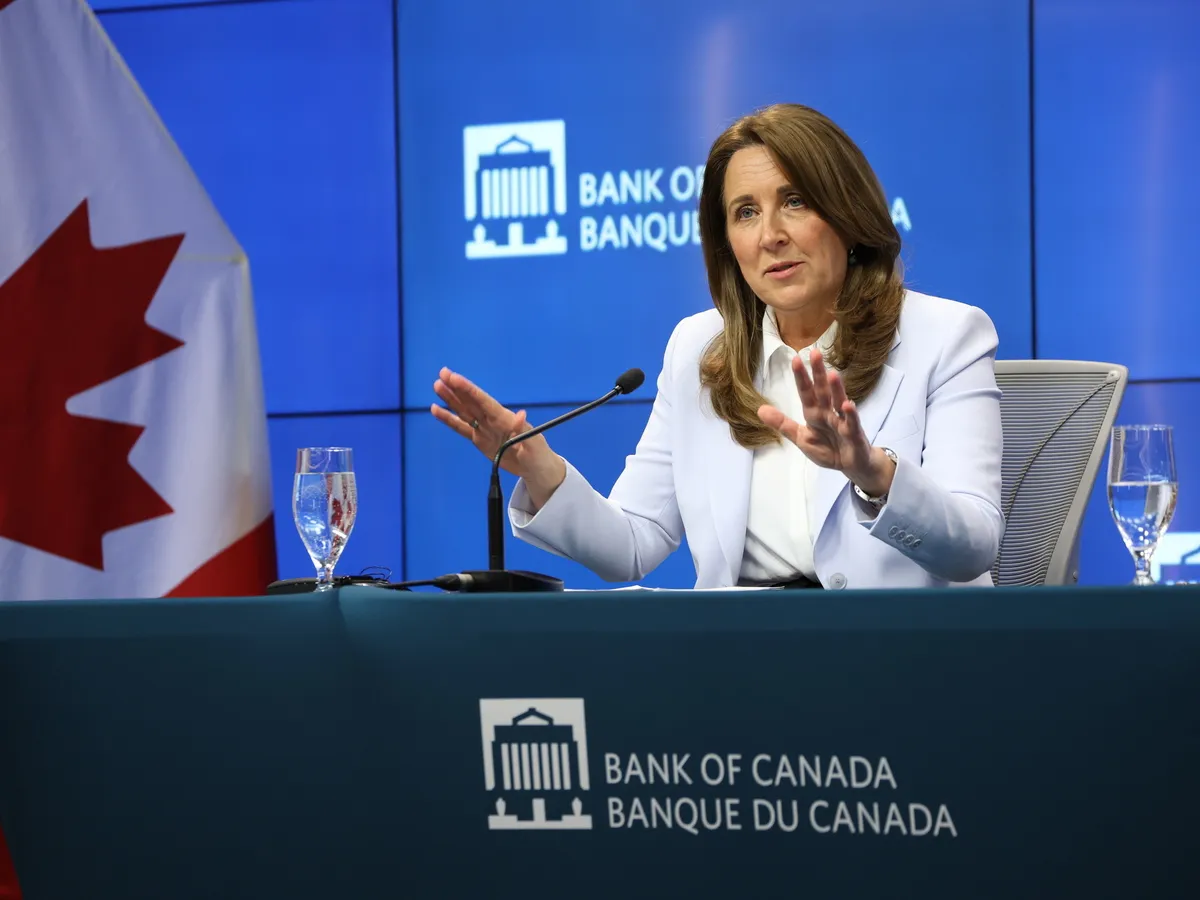
Housing affordability has been a major concern for Canadians for many years and will not be resolved anytime soon, said Carolyn Rogers, senior deputy governor of the Bank of Canada, in a speech in Victoria, BC, on Thursday.
Rogers said the housing market is facing a dilemma. Families have less money available when the majority of their household income goes to rent or mortgage payments – which can weigh on overall economic growth.
Lower prices may bring some relief to home buyers, but it may also reduce household wealth, weaken spending and slow sales activity as well as new construction.
“This is the heart of the housing affordability dilemma and why it’s so hard to fix,” Rogers said in prepared remarks.
“Housing and housing prices have become about much more than just the cost of shelter. They are now deeply intertwined with household wealth, the stability of our financial system and the strength of our economy.”
Rogers said many policies and regulations have been introduced over the years, both in Canada and abroad, to try to address housing affordability. This includes Canada’s mortgage stress test, which was established in 2017 and has done little to improve affordability or combat rising home prices.
The low interest rate of the central bank played a role in the rise in prices. While it supported the economy through the COVID-19 pandemic and made mortgages cheaper, it also increased demand for housing and prices followed suit.
Housing supply could not keep up with demand due to population growth at the time, along with zoning and infrastructure restrictions. Many also see housing as a way to build personal wealth rather than simply as a place to live.
There are no easy fixes and any changes to the Bank of Canada’s monetary policy would come with trade-offs, Rogers said.
If the central bank raises its overnight rate and credit becomes more expensive, it can take pressure off housing prices by reducing demand. But it would also slow spending and investment in the economy.
Rate cuts could improve housing affordability by making credit more accessible and reducing borrowing costs, but limited housing supply and stronger demand could push prices higher. Lower rates would also boost demand more broadly, which could add to inflationary pressures.
Similarly, it is difficult to capture housing costs in inflation measures. The consumer price index measures housing as the cost of shelter over time. This is easier for tenants as rental costs can be easily tracked and measured. It’s more complicated for homeowners because they have ongoing costs like property taxes, insurance, maintenance and mortgage interest. The purchase price of a house is also treated differently because a house is considered an asset.
“For central banks, the best contribution is still price stability. Low, stable and predictable inflation gives households, businesses, builders and governments a better basis for decision-making,” Rogers concluded.
“Housing must remain an important input into monetary policy decisions, but targeting house prices directly with interest rates would ask monetary policy to do more than it can reasonably do, and risk imposing costs across the wider economy,” she said. “The goal must be a policy mix that increases supply, protects resilience and reduces the economy’s dependence on rising house prices.”
• Email: ptran@postmedia.com
