 Skip to content
Listen to this article
Estimated 3 minutes
The audio version of this article is generated by AI-based technology. Mispronunciations may occur. We work with our partners to continuously review and improve results.
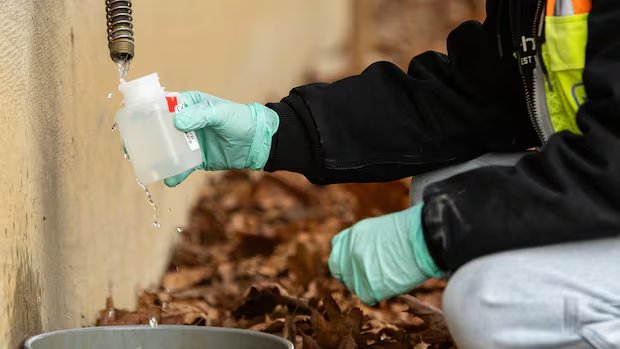
Initial laboratory results show that the controlled detonation of nearly five tons of hazardous lead azide in southeastern Iowa did not cause an increase in the heavy metal in water bodies that supply drinking water to the area, the US Environmental Protection Agency said Saturday.
Test results of the sample made after the US Army’s detonation of an aging warehouse of lead azide in Iowa have been released by the Environmental Protection Agency (EPA).
The EPA said about 300 people will be in the field Thursday to try schools, playgrounds, churches and homes in the area. More than 1,500 samples were taken from air, water, soil and dust before the detonation and hundreds of samples, including from homes, parks and drinking water, afterwards.
The EPA did not detect any detonation-associated lead in 26 water samples from sources that do not serve as drinking water, such as lakes and ponds, the agency said in a social media post.
The mayor of Muscatine, Iowa, a small town about 80 miles north of Middletown, the small town where the Army camp was held, said the EPA’s initial test results, which showed no elevated lead in drinking water or air, were encouraging.
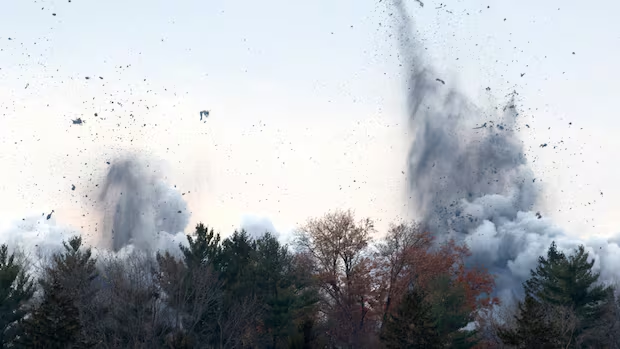
US officials say the controlled explosion of tons of toxic chemicals at sites in Iowa has been successful and that there is no significant danger to the public, but farmers in the area are concerned about what dangers possible clouds of lead dust could expose their livestock.
Mayor Brad Bark said in an emailed statement that the results are a “reassurance to communities.”
“Our priority remains the health and safety of our residents. We will continue to follow recommendations and remain in close coordination with the EPA, the Army, state and county partners,” Bark said.
Lead is a heavy metal that is particularly dangerous for children and pregnant people. The army said the safest option was to detonate the stockpile immediately, as it degrades and could explode uncontrollably as the weather gets colder.
But the detonation sparked widespread concerns about potential environmental contamination as well as questions about how and when the federal government communicated its plans.
Residents and some elected officials criticized the army for not being more transparent and providing more notice when it first determined that the stock was unstable.
Middletown residents knew of the plans, but few others did — and the warnings largely didn’t register with elected officials and the general public until days before the planned detonation.
‘The lead had to go somewhere’
Wally Taylor, the legal chairman of the Sierra Club’s Iowa chapter, said he was not confident in the EPA’s findings and thought it was still “too early to make firm conclusions.”
The chapter was one of the environmental groups that petitioned to suspend a permit that cleared the way for Wednesday’s detonation.
Taylor said the lead could still have spread near the blast site and that he was awaiting test results from the University of Iowa, which sent air monitors and collected samples before the detonation, and other research groups.
“The lead has to go somewhere,” Taylor said.
