 Skip to content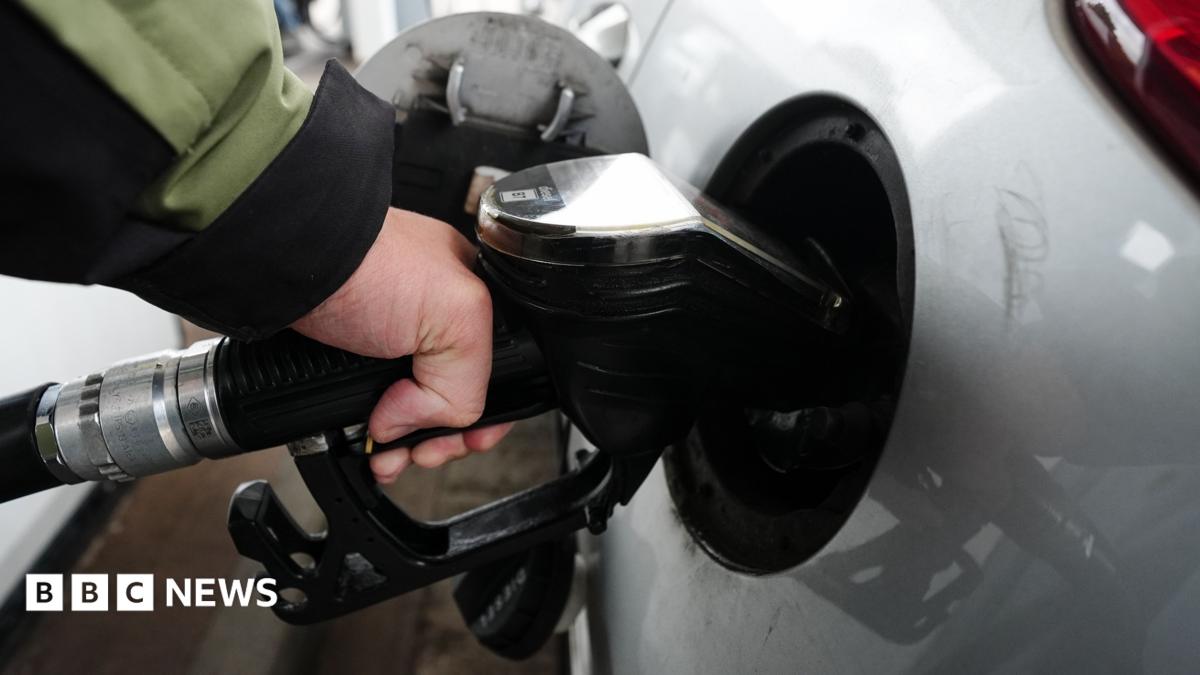
The average price of diesel has risen above £2 a liter in the UK for the first time, according to the RAC motoring body, as the fallout from the Iran war continues to drive up the cost of the fuel.
Diesel has now hit an average of 200.01pa litre, the RAC said, and petrol prices are also still rising, reaching an average of 174.71pa litre.
Over the past seven months, the Iran war has severely disrupted the production and transportation of wholesale oil and refined products from the region, driving up prices.
The RAC said the price rises “show no sign of slowing down, heaping more misery on motorists”.
The cost of filling up an average family car with diesel was now £110, almost £32 more than it was at the start of the US/Iran war, the RAC’s Simon Williams said.
“This will be very challenging for households and businesses that drive a lot of miles, from commuters, transport and delivery companies, businesses with large fleets to the individual retailer,” he added.
The cost of filling up a typical petrol car has risen to £96.09, the RAC said, up £23.03 since February.
The jump in fuel costs is the result of a sharp increase in the price of Brent crude, a benchmark for global oil used to make gasoline and diesel since the start of the Iran war.
The conflict pushed prices higher as it effectively closed the Strait of Hormuz – one of the world’s most important waterways for oil, liquefied natural gas and other essential commodities – and limited global supplies.
Before the war started, oil was trading at around $73 per barrel, but it reached around $120 in April. The price fell back in June when the US and Iran agreed to a framework deal to end the fighting, but has rebounded as tensions have resurfaced and is currently at around $100.
Flows of crude through the Strait of Hormuz have now returned to pre-war levels according to shipping monitoring firm Kpler. New routes were established to take crude oil from the Middle East and the US military presence supported exports through the waterway.
However, the supply of refined products including diesel remains limited due to the damage caused by the conflicts in Ukraine and Iran.
Ukrainian attacks on Russian refineries have reduced the country’s output flowing to the global market.
Diesel is more difficult to refine than petrol and so while the UK’s four refineries make more than enough petrol to meet demand, they do not make enough diesel for the country’s needs. As a result, the UK relies on imports for just under half of the diesel it uses.
Of these imports, approximately 31% typically come from the United States. Belgium and the Netherlands together supply more than a third.
