 Skip to content
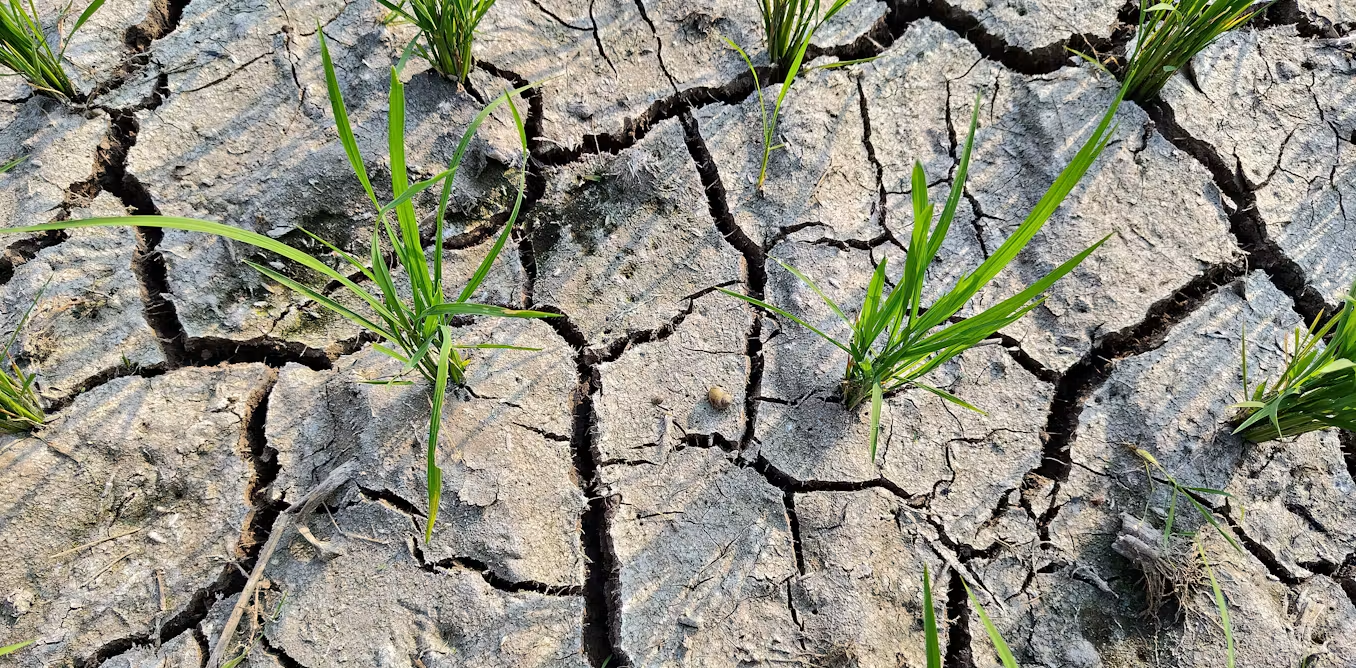
This year’s El Niño, the natural weather phenomenon that drives variations in temperatures and winds across the Pacific, prompted the UK government to pledge £15 million to help vulnerable countries such as Malawi, Kenya and Zambia prepare for droughts, floods and food shortages.
But Britain’s economic response will go beyond international aid. The Bank of England has identified El Niño as one of the key factors that will increase food inflation in 2027.
This link between a climate pattern in the Pacific Ocean and supermarket prices (and possibly interest rates) in the UK is a clear demonstration of how extreme weather is an economic issue as well as an environmental problem.
Environmentally, the effects of El Niño can be devastating, bringing severe droughts to some regions and severe floods to others. And a stronger El Niño has a greater influence on global weather patterns than a weaker one.
This year’s event, already the strongest on record, is expected to peak later this year, and could lead to global economic problems if it has a negative effect on major agricultural producers or transport routes.
Bad harvests can cause international agricultural prices to rise. Higher energy costs can simultaneously make fertiliser, processing and transport more expensive.
The UK is particularly vulnerable to climate-related disruption due to the international nature of its food supply (about 42% of its food is imported).
But these effects are rarely immediate. Many food manufacturers and retailers use risk management techniques to limit their exposure to sudden changes in prices, which can initially protect consumers from international shocks.
The Bank of England made this point explicit, saying that the potential effects of El Niño are likely to emerge gradually, rather than causing widespread food shortages or dramatic price increases.
And the Central Bank of Spain found that the effect of El Niño varies according to the commodity, time period and agricultural policy.
For the most part, food supply disasters can be avoided with the right kind of human intervention. Businesses adapt. Farmers change production decisions. Trade is shifting to alternative suppliers. Governments intervene.
El Niño should therefore be seen as a potential source of risk and volatility, rather than a confident prediction that UK food prices will have to rise.
Everything everywhere
But what happens when several external shocks occur together?
The Bank of England has also considered this possibility, and warns that a strong El Niño, in addition to renewed energy disruptions, could put much more pressure on UK food prices.
If extreme weather also affects large shipping routes, the impact on import prices could be even stronger. This is where a climate event potentially becomes a monetary policy problem, as central banks treat El Niño as a factor that prompts them to raise interest rates.
In a recent meeting, the Bank of England’s monetary policy committee identified severe El Niño conditions as a possible source of additional pressure on agricultural prices, alongside energy markets and other global supply risks.
And this perhaps explains the thinking behind the UK government’s plan to help countries prepare for El Niño. The £15 million pledge, announced in September 2026, is based on the idea of ”anticipatory action”: releasing money before a foreseeable emergency rather than waiting until the economic damage has occurred.
The government says that around 35% of humanitarian shocks can be predicted in advance, while less than 1% of global humanitarian funding currently goes into anticipatory action.
Weather or not
There is a broader financial principle at work here.
If climate forecasts contain economically useful information, financial decisions can be made before the losses actually occur.
So food importers can consider commodity and currency strategies to protect against shocks. Banks can incorporate interconnected supply disruptions into their financial evaluations, and companies can stress-test supply chains against simultaneous commodity, energy, and transportation shocks.
Wirestock Creators / Shutterstock
Governments can link climate change more closely with food security and planning for economic resilience.
And while they may not be able to predict exactly what El Niño will do to the price of a shopping basket, they can certainly take action that recognizes the fact that information about future weather has financial value.
The UK government has shown that it uses weather forecasts to free up humanitarian funding before disasters happen abroad. These forecasts no longer provide key information only to meteorologists, farmers and fishing boats.
They contain increasingly vital financial data.
