 Skip to content
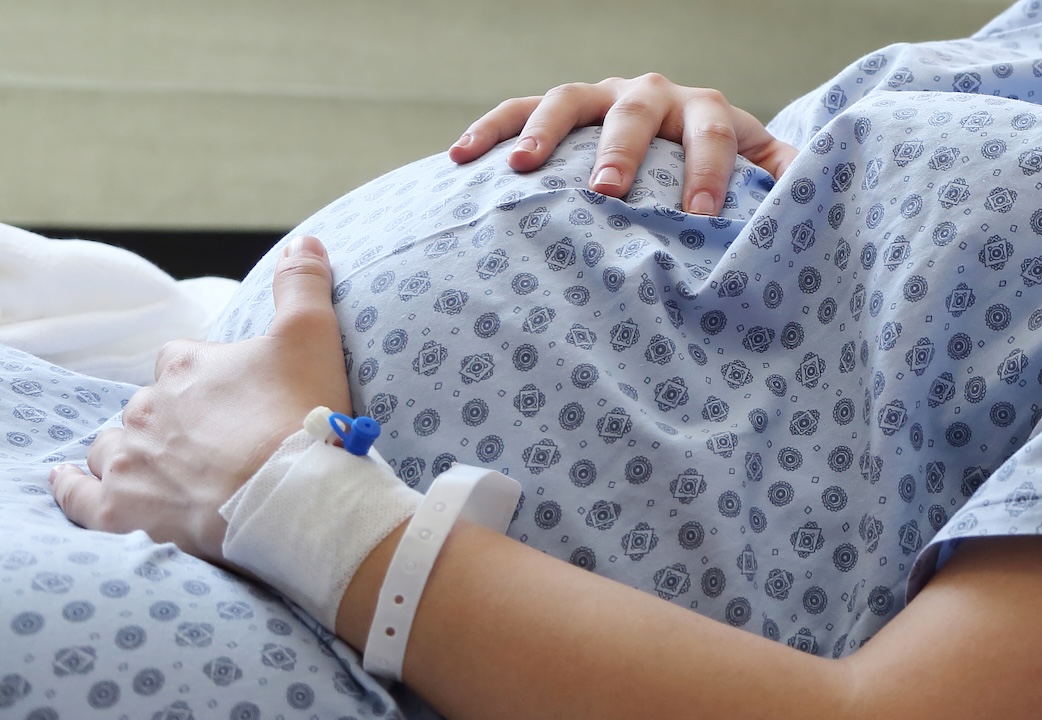
One of the lines I was most pleased to hear at the Labor conference was from Health Secretary Yvette Cooper: “I will not stop until every mother gets the care she deserves.” On the back of sobering criticism of maternity services in this country, the Secretary of State has pledged to make better maternity care one of her highest priorities in office. The government brings new national maternity standards and launches a maternity and neonatal action plan.
One aspect of maternity care that risks being overlooked is mental health support during pregnancy and after the birth of a baby. We still too often assume, especially in our Instagram age, that this is only a time of joy and celebration. For many women it is. But for one in four it may be a time of depression or anxiety, OCD or post-traumatic stress. For some women this can become extremely serious. The leading cause of death for women in the period from six weeks to one year after giving birth is suicide. I learned this the most horrible way when one of my best friends, Sophie, took her own life after the birth of her third daughter. Her death struck me, and I am still in shock and sadness today.
In theory, women are asked about their mental health at their first booking appointment and at the six-week check-in after giving birth. In theory, they are referred to specialist support when problems are encountered.
But in reality their experiences vary greatly. Some are asked a few quick questions between blood pressure checks, while others are not asked at all. Some GPs and midwives have the training and time to provide support; others don’t. Some have established mental health services to refer women to; some are almost afraid to ask the right questions because they don’t trust a referral to come in.
The result is a postcode lottery, whereby a pregnant woman’s support depends on the NHS trust they happen to drop into or the individual health professionals they happen to see. It is also a lottery that a woman is more likely to lose if she is young, black, Asian, experiencing domestic violence or living in poverty.
I have introduced my Perinatal Mental Health Assessment Bill – “Sophie’s Law” – into Parliament to address these holes in the system. It would require every pregnant woman to have a mental health check-in. My friend’s death was the starting point for my bill, but its ultimate goal is to protect every other woman whose story doesn’t have to end in tragedy.
Private Member Bills
My bill has four prongs. First, that every pregnant woman deserves a proper mental health assessment, with trauma-informed conversations rather than tick-box exercises. Evidence shows that outcomes are better when interventions occur as soon as possible during pregnancy, so this must be a routine part of prenatal care.
Second, the bill would improve training and oversight for all those involved in maternity care. GPs, midwives, midwives, health visitors and community psychological practitioners all need the knowledge and confidence to ask the right questions. I am calling for a national training standard that also recognizes the specific needs of women from different backgrounds and the different ways in which mental challenges are experienced and expressed.
Third, we need clear referral pathways. A specialist perinatal mental health midwife should be embedded in every maternity service to ensure risks are flagged and referrals made. The appropriate support will be different for each woman, but one important option is the NHS Talking Therapies programme, which I know the Government is committed to. I have seen in my own constituency of Aylesbury how helpful this can be for women, and I urge NHS Talking Therapies to consider services for women in the perinatal period as a priority group for support. There are also fantastic volunteer services in communities across the country, such as PANDAS, and many women are still unaware of them.
Fourth, I call for clear accountability for perinatal mental health assessments. NHS England and integrated care boards would be responsible for ensuring that local maternity systems introduce the single standardized assessment process, but also, crucially, capture data and track outcomes. There must also be improved monitoring of these services by the Care Quality Commission as part of their maternity inspections.
I know that resources are tight across the NHS, and I know that there are particularly acute challenges in many of our mental health and maternity services, including a national nursing home shortage. However, I also know how transformative the relatively modest measures in this bill could be. The government is developing new maternity and mental health strategies, and this could be an opportunity to give mothers the full benefits of both. I believe this would have made a difference for Sophie, and it could still make a difference for so many women.
