 Skip to content
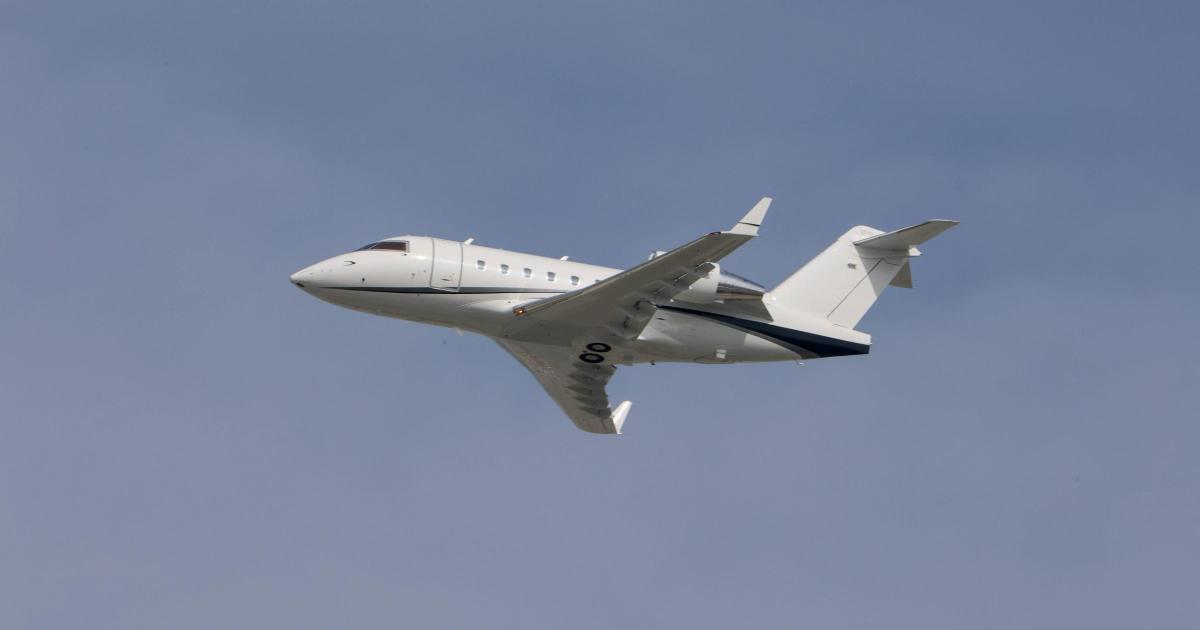
However, from April 2028 there will be higher tax rates specifically for private jets, with the level yet to be decided and due to be announced in the next draft budget on 3 December.
Oxfam is calling for the rate to be set at a “sky-high” 10 times the current peak rate within Air Passenger Duty, which by 2027 will range from £146.63 for domestic flights to £1,178.20 for Band C, which applies to all destinations where the capital is more than 5,500 miles from London, unless other bands are specifically named.
Read more:
The charity analyzed data from the flight records of the Private Jet Tracking Initiative and found 7,237 private jet flights arrived or departed from Scotland between January and September 2026.
Between July 15 and August 15, when the bushfires raged in the Cairngorms, 1,101 private jet flights arrived or departed Scotland.
Together, these flights generated an estimated 7,830 tonnes of CO₂e, with each flight producing on average far more carbon pollution than the poorest half of the UK emits in a whole year.
In the year to September, 216 aircraft accounted for over half of all private jet emissions, although they were just 17% of total private aircraft (1,246).
Many flights took less than an hour and many traveled less than 500 miles, despite rail alternatives existing for many routes. The top destinations and origins for private jet flights were Farnborough, Luton and London.
Katherine May, head of Oxfam Scotland, said: “While firefighters in Cairngorms communities battled bushfires on the ground, private jets pumped out white trails of pollution across the sky above them.
“The ultra-rich use private jets like airborne taxis, with Scotland’s skies treated like a private highway. Meanwhile, everyone on the ground is left to deal with the ever-increasing threat of fires, floods and rising bills that their excess emissions help drive.
“Ministers should use the Scottish Budget to put Scotland’s new private jet tax sky high and send a clear message: private jet passengers should not be able to pollute on the cheap while the rest of us pick up the bill.”
The Scottish findings are published alongside Oxfam’s new global report Disaster Dividereleased ahead of COP31, which finds that climate change is increasingly driven by extreme wealth, while the consequences fall hardest on those least responsible.
The report warns that while ordinary people face destroyed homes, lost livelihoods and rising living costs as climate disasters become more common, the ultra-rich are often able to protect themselves from the worst impacts through private insurance, second homes and access to safer places.
Globally, Oxfam found that the richest 1 percent are responsible for 20 percent of global warming since 1990, generating about 100 times more emissions per person than someone in the poorest half of humanity.
Using climate attribution modeling, Oxfam estimates that just one year’s emissions from the world’s richest 1 percent will cause 1.9 million excess heat-related deaths over the next century.
More than three-quarters (78 percent) of deaths are expected to occur in low- and lower-middle-income countries, where communities are on the front lines of climate impacts, even though they have contributed the least to the crisis and often have the fewest resources to deal with its effects.
The report also finds that a person in the richest 0.1 percent contributed almost 400 times more to today’s extreme heat waves than someone in the poorest half of humanity.
Mrs May said: “The climate crisis is often talked about as if we are all in the same boat, but from Scotland to sub-Saharan Africa, people are not experiencing it equally. The people who have done the least to cause the climate emergency are losing homes, livelihoods and lives to floods, droughts, heatwaves and bushfires, while others may be forced to withdraw, hire or have their private homes buy, or carry out.
“The climate crisis is a crisis of inequality and therefore climate justice means that the biggest polluters pay. Whether it’s private jets or oil and gas giants, those who profit from pollution should do much more to address the damage it causes.”
