 Skip to content
The NHS has a significant carbon footprint. But one part of its environmental impact receives relatively little attention: maternity.
The health service is responsible for an estimated 4% to 5% of greenhouse gas emissions in England. A 2025 report by the Royal College of Obstetricians and Gynecologists estimates that selected maternity care activities in England generated around 205,000 tonnes of carbon dioxide equivalent (CO₂e) in 2022-23.
CO₂e expresses the warming effect of various greenhouse gases, such as methane, as an equivalent amount of carbon dioxide. The analysis excluded some maternity services, so the overall footprint is likely to be higher.
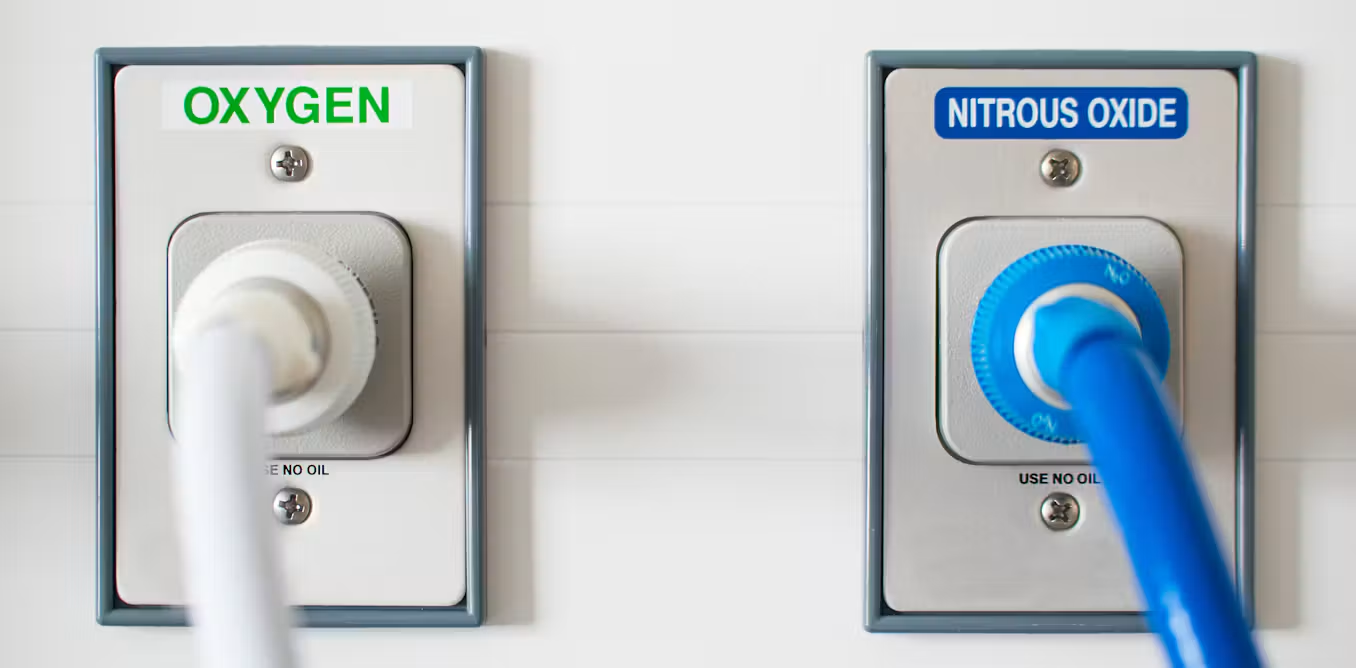
Almost 29% of the emissions from the activities studied came from entonox, commonly known as gas and air. It contains nitrous oxide, a powerful greenhouse gas. Using it during regular contractions over four hours has an estimated warming effect of 237kg CO₂e.
Traveling to appointments also contributes to emissions. An analysis at the Whittington, a hospital in north London, estimated that a patient’s journey to an antenatal appointment generated an average of 1.23 kg of CO₂e.
Hospitals also use large amounts of disposable equipment. Ready-to-use formula bottles and teats, single-use cups and clinical waste containers are routinely used once and discarded.
Pregnancy is sometimes described as a “teachable moment” when people can be especially receptive to health information. Environmental counseling could become part of these conversations, including discussions about feeding a baby or choosing pain relief.
Responsibility for reducing emissions
But putting the responsibility on the parents creates ethical problems. Maternity care in the UK is already under intense pressure. The 2022 Ockenden review documented serious failings in maternity safety, while the 2024 birth trauma inquiry highlighted how women’s concerns were dismissed or ignored.
Read more: Maternity needs more than answers: it needs change
Against this background, asking someone at work to weigh the climate effects of pain relief alongside their comfort and safety could create another burden at an already challenging time.
Measuring emissions can help hospitals improve how services are designed. But carbon goals should not be used to restrict access to cesarean delivery or pain relief. Decisions about care should respect each person’s needs and informed choices.
In a small interview study with 12 people who had used nitrous oxide during labor, most wanted environmental information to be available during pregnancy. However, they were unsure whether knowing its impact would change their choice of pain relief. The participants also considered the reduction of emissions as primarily the responsibility of health organizations.
Caseyjadew/Shutterstock
A more useful approach is to change how maternity services are delivered while protecting patient choice.
Some NHS maternity services already do this. In Norfolk and Norwich University Hospitals, a project introduced virtual ward support and care at home for patients with severe pregnancy illness. By reducing hospital stays, it reduced emissions by an estimated 538 kg of CO₂e over one month. The team has projected an annual saving of around 6,462 kg if these reductions continue.
Newcastle Hospitals NHS Foundation Trust has introduced technology that captures exhaled gas and air and breaks the nitrous oxide into nitrogen and oxygen, allowing women to continue to use gas and air during labour, while reducing their environmental impact.
Other changes concern purchases and waste. Thousands of ready-to-use plastic formula bottles and nipples are used in the maternity ward. A 2019 letter from Irish researchers, published in the British Medical Journal, highlights waste from unconsumed formula and discarded packaging. Reducing this could reduce emissions without restricting access to the formula for those who need or choose it.
Similar questions apply to disposable products throughout maternity. Clinicians work in systems designed around single-user equipment and established waste procedures. Changing these systems is likely to be more effective than expecting individual clinicians to improvise greener alternatives.
At the White Horse maternity center in Swindon, staff have replaced plastic containers used to dispose of placentas with alternatives made from 96% paper, reducing plastic use and costs.
Breastfeeding illustrates how complicated individual responsibility can become. Compared to exclusive formula feeding, exclusive breastfeeding for six months is estimated to have a carbon footprint of 95kg to 153kg CO₂e less per baby.
But feeding decisions depend on health and personal circumstances, including support for parents. A more useful approach would be to provide effective support to everyone who wants to breastfeed, while reducing unnecessary waste and emissions as formula is purchased, prepared and delivered by maternity services.
Better care, less emissions
The Green Maternity Challenge, part of a program led by the Royal College of Obstetricians and Gynaecologists, brought together nine NHS teams to test ways to reduce emissions while improving maternity care. Several projects have redesigned services to make treatment easier to obtain or to reduce unnecessary hospital stays.
Better care and lower emissions can go hand in hand. But treating sustainability only as a happy side effect risks overlooking opportunities to consciously design maternity services around low-carbon care.
Hospitals should investigate where their emissions come from and give staff the knowledge and resources to reduce them. Changes to purchasing and waste systems, alongside suitable low-emission technologies, can help services become greener, while protecting safe care and informed choice.
Birth will always carry an ecological footprint. Health services have the responsibility and the practical means to reduce the impact through changes in how care is organized and delivered. These changes should protect choices without placing additional burden on the person giving birth.
