 Skip to content
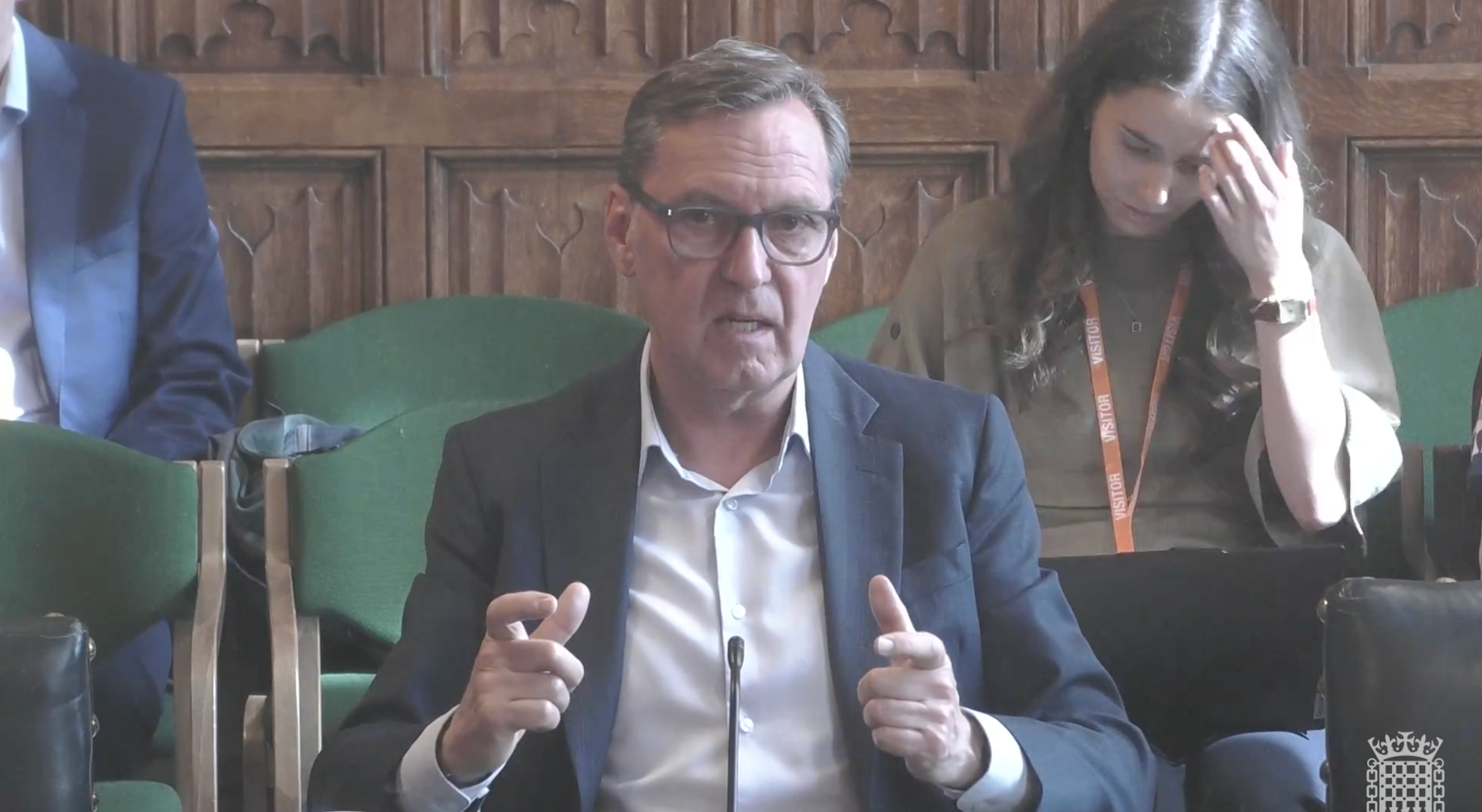
All young people should be guaranteed a path to education, training or work, recommends Alan Milburn in his final report on young people and work.
The report, From a welfare state to a work state: A new settlement for the next generationsets a 10-year ambition to reduce the NEET rate from 13% to around 5% by 2036. It would make the UK one of Europe’s best performers on youth participation, and would mean around 600,000 more young people in education, employment or training each year.
Milburn, who chairs the Social Mobility Foundation, last year surveyed the one million people aged 18-24 who are not in education, work or training.
Under the plan set out in his report, a new local youth opportunities service would bring together work, career, health and practical support for all young people, with a named adviser and a personal plan. Every part of England would have one by 2029, with mayors and other strategic authorities responsible for delivery.
Two new guarantees would be laid down in law. An opportunity guarantee would give a path into education, training or work, and a support guarantee would give health, employment and practical help to take it up.
Almost one million young people, one in eight, are not in education, work or training, according to the report. Six out of 10 never had a job, and only Romania had a higher NEET rate than Great Britain among European countries in 2025. On current policy, the rate can reach 16.3%, around 1.27 million young people, by 2031.
Milburn said Britain had “a youth NEET problem for 25 years and never a plan to end it”.
He added: “We are at a fork in the road and half measures will not do. A complete system reset is necessary. A lost generation is not inevitable. A working generation is possible.
“This is not just a matter for young people, it is a matter for the country. We must make the next generation a national priority. Youth participation must run through public policy like a rock.”
Among the recommendations, Milburn’s assessment sets a timetable for what a young person can expect from the Youth Opportunity Service. They would meet a counselor within 14 days of contact and have a plan within four weeks. Something concrete, such as a university, an apprenticeship or a job, should be on the way within four months. Employers who employed someone who had been NEET for six months would be eligible for a £3,000 grant. If a young person is still NEET at 12 months, despite being engaged in service, and paid work is realistically possible with support, the report says the state guarantees them a paid six-month job through the job guarantee.
The government announced this weekend that it will open the job guarantee to young people on Universal Credit who look for work after 12 months, down from 18. Milburn recommends it be extended to every NEET young person, whether they claim benefits or not.
The report proposes a new Youth Allowance for under 25s, set at the current Universal Credit rate for that age group, with a higher rate for those living independently. It would replace the Universal Credit health element and end the work ability assessment.
For disabled young people, an Additional Costs Allowance would replace Personal Independence Payment (Pip) for under 25s to pay for significant, ongoing disability-related extra costs. A local health and disability fund managed by the Service de la Jeunesse would meet immediate or variable costs without long-term evaluation, and a severe and complex needs insurance above the current maximum benefit rate would support young people who could never work. A work allowance would allow young people to keep more of what they earn before their benefits are cut.
According to the Department for Work and Pensions (DWP), Milburn believes that “raw” benefit cuts will not work and argues that reform needs an upfront investment, with savings built over the decade. Only £1 in every £25 spent on youth benefits in 2024 to 2025 helped young people into work or education. The report wants to rebalance this to £2 to £1.
Starmer forced into U-turn on welfare bill after major backbench rebellion
On Monday evening, Work and Pensions Secretary Pat McFadden urged Labor MPs to prioritize “human outcomes” on welfare reform. He argued that “it would be difficult to look at today’s system and say that we are spending this money in the right way – and with the right human results.”
He added: “There is a core belief that I hold – which is at the heart of why I advocate for a change in the system.
“We don’t just owe people an income, we owe them a future, and currently many are not getting that. That’s why we need a reset of the system.”
The review also calls for a doubling of apprenticeships over the decade, faster mental health help without a diagnosis, and a legal test of how big tax, spending and regulatory decisions affect young people.
It is estimated that the plan would help around 440,000 young people into work by 2036.
Milburn is expected to say at a news conference on Tuesday that “a lost generation is not a fact of life. It’s a choice. And I believe it’s the wrong one.”
He will add: “Not only because it is a fiscal crisis or an economic crisis, but because it is a moral one.
“We are failing as a nation to give the next generation the opportunities they need to succeed. It is time for a new settlement that makes work, not prosperity, the future for the next generation.
“Demographic change makes youth and work a necessity. The future of Britain depends on us supporting young people.”
The report’s diagnosis of the NEET crisis covers the UK, but its detailed suggestions apply to England as education, skills, health and local government are dismantled in Scotland, Wales and Northern Ireland.
Helen Whately, the shadow work and pensions secretary, replied that where “Milburn gets it right, we will back him.”
She added: “But his review is too careful… and too often his response is the big and expensive hand of the state. Overall, it does not reduce the social bill, proposes billions more in state spending and will not make the slightest difference to young people who are now on welfare – because nothing will happen for at least three years.
“Even so, there is a long way to go to see if it can get past the well-loved Labor MP.”
Liberal Democrat leader Ed Davey said: “If ministers want to halve the number of NEETs by 2036, they need a plan for growth. That means scrapping Labor tax, joining the EU single market and reducing the cost of doing business so companies can afford to hire young people again. No target or guarantee can create jobs that don’t exist.
“The warning signs are there long before a young person leaves school. Our plan would stop the NEETs pipeline at the source, with 100 hours of real work experience before 18 and a career coach for every young person.”
Disability equality charity Scope said it was “deeply concerned” by proposals in the review “which could leave some young disabled people with less financial support.”
James Taylor, executive director of strategy at Scope, said: “PIP helps with the extra costs of disability whether someone is in work or not. Removing that support could make it harder, not easier, for young disabled people to get into work and live independently.”
